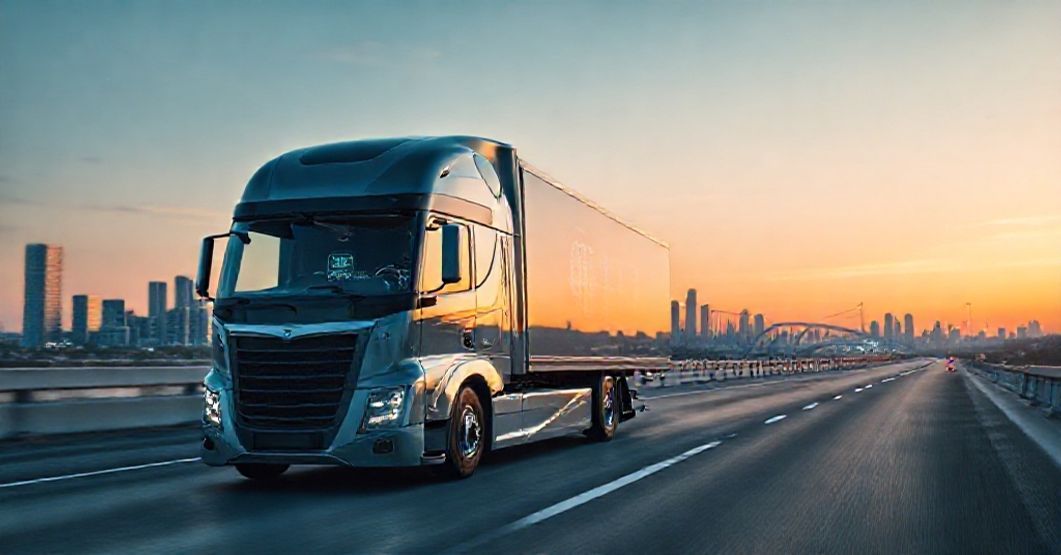
Driving Tomorrow: How AI is Revolutionizing Commercial Vehicles
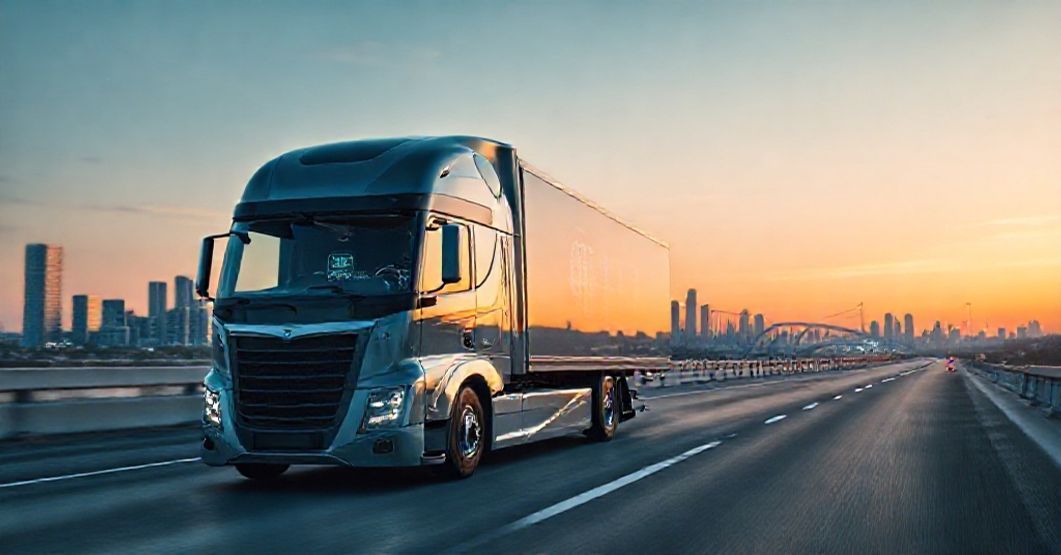
The roar of a diesel engine might be a familiar sound, but the brains behind tomorrow’s commercial vehicles are increasingly digital. Artificial intelligence (AI) is no longer a futuristic concept confined to science fiction; it’s actively reshaping the landscape of commercial transport, promising a future of enhanced safety, unprecedented efficiency, and sustainable operations.
Safety and Efficiency at the Forefront
One of the most profound impacts of AI lies in its ability to augment and even surpass human capabilities in operational safety and efficiency. Autonomous driving systems, powered by advanced AI, are designed to minimize human error, respond faster to hazards, and optimize routes for maximum fuel economy. This translates not only to fewer accidents but also to significant reductions in operational costs and emissions, making every journey smarter and greener.
Intelligent Fleet Management and Predictive Maintenance
Beyond the driver’s seat, AI is transforming how entire fleets are managed. Sophisticated algorithms analyze vast amounts of data – from engine performance and tire pressure to traffic patterns and delivery schedules. This enables predictive maintenance, where potential issues are identified before they lead to breakdowns, drastically reducing downtime and costly repairs. Furthermore, AI-driven fleet management systems optimize logistics, ensuring vehicles are dispatched efficiently, loads are balanced, and delivery times are met with greater precision.
The Path to Sustainability and Smart Logistics
The integration of AI also propels the commercial vehicle sector towards greater sustainability. By optimizing routes, reducing idling times, and promoting smoother driving, AI helps minimize fuel consumption and carbon footprints. It’s building the foundation for smart logistics networks where every vehicle, every package, and every mile is part of a dynamically optimized system, reducing waste and enhancing overall supply chain resilience.
Key Takeaways:
- Enhanced Safety: AI-powered autonomous features reduce human error and improve accident prevention.
- Operational Efficiency: Optimized routing, fuel savings, and intelligent load management.
- Predictive Maintenance: AI identifies potential issues before they become costly breakdowns, minimizing downtime.
- Sustainability: Reduced fuel consumption and emissions contribute to a greener logistics sector.
- Smarter Logistics: AI creates more resilient and efficient supply chains.
Conclusion:
The integration of AI into commercial vehicles marks a pivotal moment in transportation history. From intelligent safety systems to predictive maintenance and hyper-efficient fleet management, AI is not just changing how goods are moved; it’s fundamentally redefining the industry. As technology continues to advance, we can anticipate an even more seamless, safe, and sustainable future for commercial transport, powered by the intelligence of machines.
