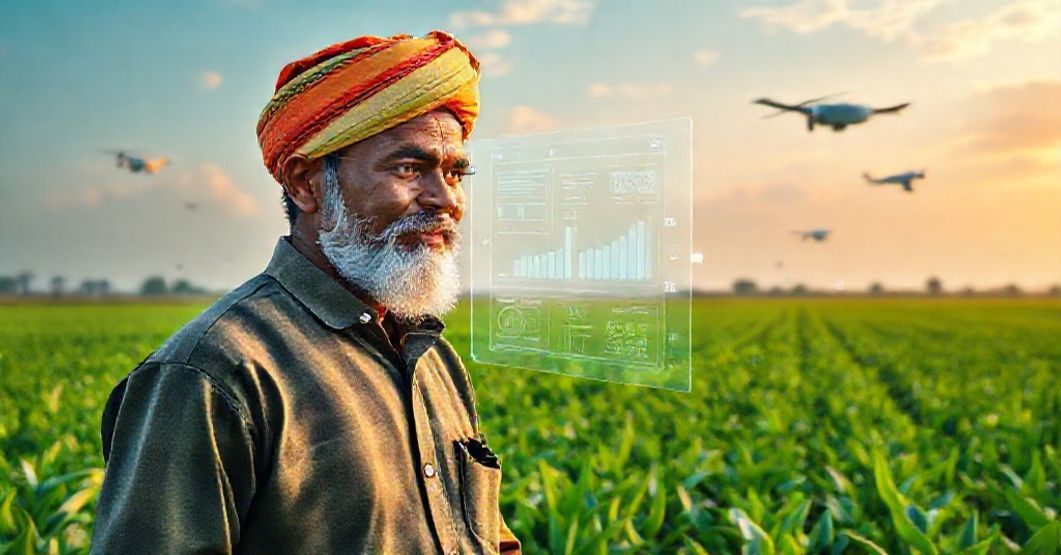
Harvesting the Future: How AI is Revolutionizing Indian Agriculture
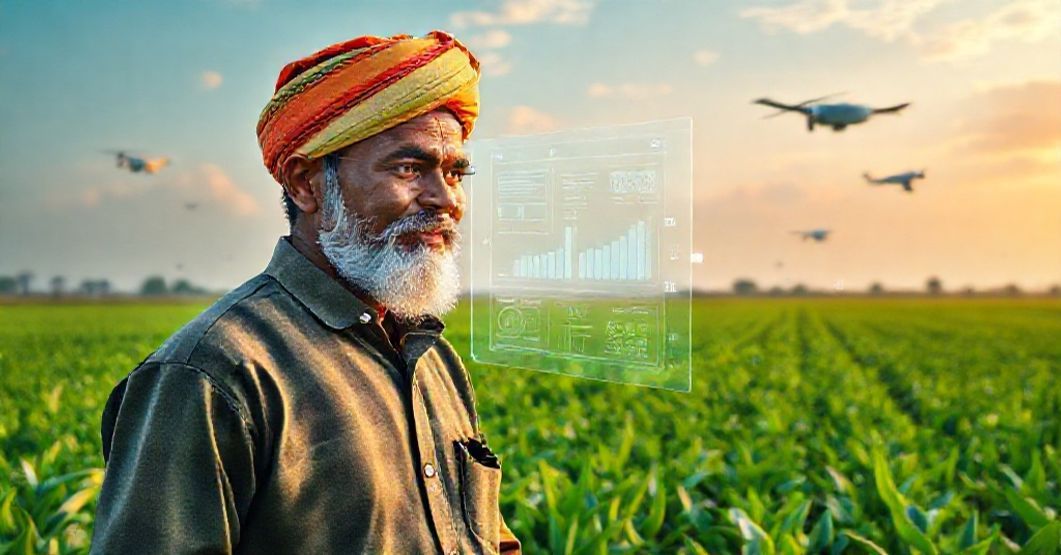
In a rapidly evolving world, technology continues to reshape industries, and agriculture, the backbone of India, is no exception. Union Minister G. Kishan Reddy recently highlighted a transformative shift, stating that Artificial Intelligence (AI) is emerging as a true game-changer for Indian farmers. This announcement, made in Andhra Pradesh, underscores a growing national commitment to integrating advanced technological solutions into farming practices to boost productivity, efficiency, and farmer income.
AI: A Catalyst for Agricultural Advancement
The vision presented by Minister Reddy paints a promising picture where AI addresses long-standing challenges faced by the agricultural sector. From unpredictable weather patterns to pest infestations and market volatility, farmers constantly navigate a complex landscape. AI offers precision and predictive capabilities that were previously unimaginable, enabling more informed decision-making across the entire agricultural value chain.
Key Applications of AI in Indian Farms:
- Precision Farming: AI-powered sensors and drones can monitor crop health, soil conditions, and water levels with unprecedented accuracy. This allows farmers to apply resources like water and fertilizers only where and when needed, reducing waste and increasing yields.
- Disease and Pest Detection: Early detection is crucial. AI algorithms can analyze images from drones or field cameras to identify signs of disease or pest infestations, allowing for timely intervention before widespread damage occurs.
- Weather Forecasting and Climate Resilience: Leveraging vast datasets, AI can provide highly accurate local weather forecasts, helping farmers plan planting and harvesting schedules more effectively and mitigate risks associated with extreme weather events.
- Market Insights and Supply Chain Optimization: AI can analyze market trends, demand-supply dynamics, and pricing, empowering farmers to make better decisions about what to grow and when to sell, thus ensuring better returns. It also helps in optimizing the supply chain, reducing post-harvest losses.
- Soil Health Management: AI tools can analyze soil composition and nutrient deficiencies, recommending precise fertilization strategies tailored to specific crop requirements and soil types.
Fostering an AI-Driven Ecosystem
The government’s proactive approach is evident through initiatives like the Centre of Excellence (CoE) for AI in Hyderabad, a collaborative effort with institutions like IIT Hyderabad. Such centers are crucial for research, development, and the eventual dissemination of AI solutions to the grassroots level. The emphasis on robust digital infrastructure and comprehensive data collection is equally vital, as AI models thrive on accurate and extensive data.
This integration of AI is not merely about adopting new tools; it’s about fostering a sustainable and prosperous future for Indian agriculture. By enhancing resource efficiency, mitigating risks, and providing valuable insights, AI stands to significantly improve the livelihoods of millions of farmers, contributing to national food security and economic growth.
Key Takeaways:
- AI is recognized as a ‘game-changer’ for Indian agriculture by Union Minister G. Kishan Reddy.
- It offers solutions for precision farming, disease detection, weather forecasting, and market insights.
- Government initiatives like the Centre of Excellence in Hyderabad are driving AI adoption and development.
- The focus is on improving farmer income, productivity, and agricultural sustainability.
Conclusion: A New Era for Indian Farmers
The embrace of AI in Indian agriculture marks the dawn of a new era. It represents a commitment to leveraging cutting-edge technology to empower farmers, making farming more predictable, productive, and profitable. As these AI solutions become more accessible and integrated, they hold the potential to revolutionize how India feeds itself and the world, ensuring a resilient and thriving agricultural sector for generations to come.
