AI and Robotics: Cultivating the Future of Agriculture
Imagine a farm where crops are watered with pinpoint precision, pests are identified and neutralized by intelligent systems, and harvesting is done autonomously, day or night. This isn’t a scene from a sci-fi movie; it’s the imminent reality of agriculture, shaped by the relentless march of Artificial Intelligence (AI) and robotics. Experts recently convened in Lucknow, as highlighted by The Times of India, to discuss this profound transformation, unanimously agreeing that AI and robotics are poised to redefine farming as we know it.
The Dawn of Smart Farming: AI Takes the Lead
AI’s role in agriculture is multifaceted, primarily focusing on precision and prediction. Gone are the days of blanket spraying and guesswork. AI algorithms can analyze vast datasets, including soil conditions, weather patterns, satellite imagery, and even drone-captured footage, to provide farmers with actionable insights. This enables:
- Precision Irrigation: AI monitors moisture levels down to the individual plant, ensuring water is used efficiently, combating scarcity.
- Optimized Fertilization: Nutrients are applied exactly where and when needed, reducing waste and environmental impact.
- Early Disease & Pest Detection: AI-powered sensors and cameras can spot early signs of disease or pest infestations, allowing for targeted intervention before widespread damage.
- Yield Prediction: Farmers can more accurately forecast harvests, aiding market planning and supply chain management.
This level of data-driven decision-making empowers farmers to maximize output while minimizing resource consumption, ushering in an era of unprecedented efficiency.
Robotics: The New Generation of Farmhands
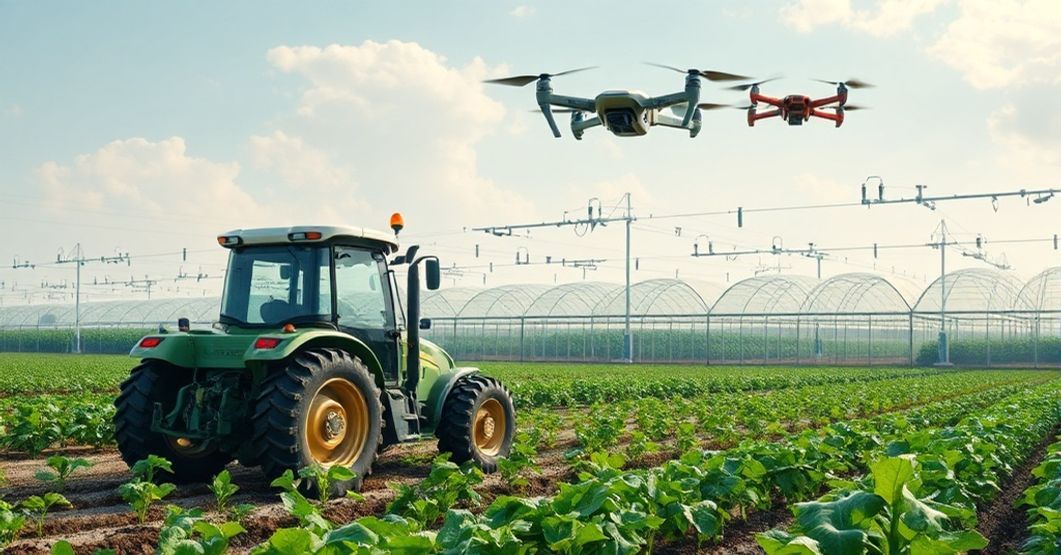
While AI provides the intelligence, robotics offers the brawn and precision for execution. From autonomous tractors that navigate fields with GPS accuracy to delicate robotic arms that can harvest ripe produce without damage, robots are set to automate some of the most labor-intensive tasks in farming. Key applications include:
- Autonomous Planting & Tilling: Robots can prepare soil and plant seeds with consistent depth and spacing, optimizing growth.
- Automated Weeding: Robotic weeders can identify and remove unwanted plants without the need for broad-spectrum herbicides, promoting organic practices.
- Precision Harvesting: Specialized robots can pick fruits and vegetables at their peak ripeness, reducing spoilage and labor costs.
- Drones for Monitoring: UAVs equipped with advanced sensors provide aerial oversight, quickly covering large areas to assess crop health, irrigation needs, and potential issues.
These robotic solutions not only enhance productivity but also address labor shortages and make farming a less physically demanding profession.
Beyond the Farm Gate: Broader Benefits
The implications of AI and robotics in agriculture extend far beyond the immediate gains on the farm. They are critical tools in addressing some of humanity’s most pressing challenges:
- Global Food Security: With a growing global population, increasing food production sustainably is paramount. AI and robotics offer a path to higher yields and reduced losses.
- Environmental Sustainability: By optimizing resource use (water, fertilizers, pesticides), these technologies significantly lower agriculture’s environmental footprint.
- Economic Resilience: Farmers can achieve greater stability through predictable yields and reduced operational costs, fostering economic growth in rural communities.
Navigating the Future: Challenges and Opportunities
While the prospects are exciting, the transition won’t be without its hurdles. Experts point to the need for significant investment in infrastructure, robust training programs to equip farmers with new technical skills, and policies that support innovation while ensuring equitable access. The evolution of agricultural jobs will require a shift from manual labor to roles focused on operating, maintaining, and analyzing data from these advanced systems.
Key Takeaways
- AI and robotics are set to revolutionize global agriculture.
- AI enables precision farming through data analysis, optimizing resource use and yield.
- Robotics automates labor-intensive tasks from planting to harvesting.
- These technologies contribute significantly to food security and environmental sustainability.
- Successful adoption requires investment, new skills, and supportive policies.
Conclusion
The future of agriculture is undeniably intelligent and automated. As experts from the Lucknow summit confirm, AI and robotics are not just incremental improvements but fundamental game-changers that promise a more productive, sustainable, and secure food system for everyone. Embracing this technological evolution is not merely an option but a necessity to feed a hungry planet and cultivate a greener future.
