Navigating the AI Revolution: How Careers Will Transform by 2026
The rapid advancement of Artificial Intelligence (AI) is more than just a technological marvel; it’s a transformative force reshaping industries, economies, and perhaps most profoundly, our careers. As we stand on the cusp of significant change, the question isn’t if AI will impact the job market, but how profoundly. A recent insightful article from Best Colleges India Today, titled “How AI Will Transform Careers in 2026: A Deep Dive,” offers a compelling glimpse into the near future, outlining the shifts we can expect in just a few short years.
The Unstoppable March of AI: Beyond Automation
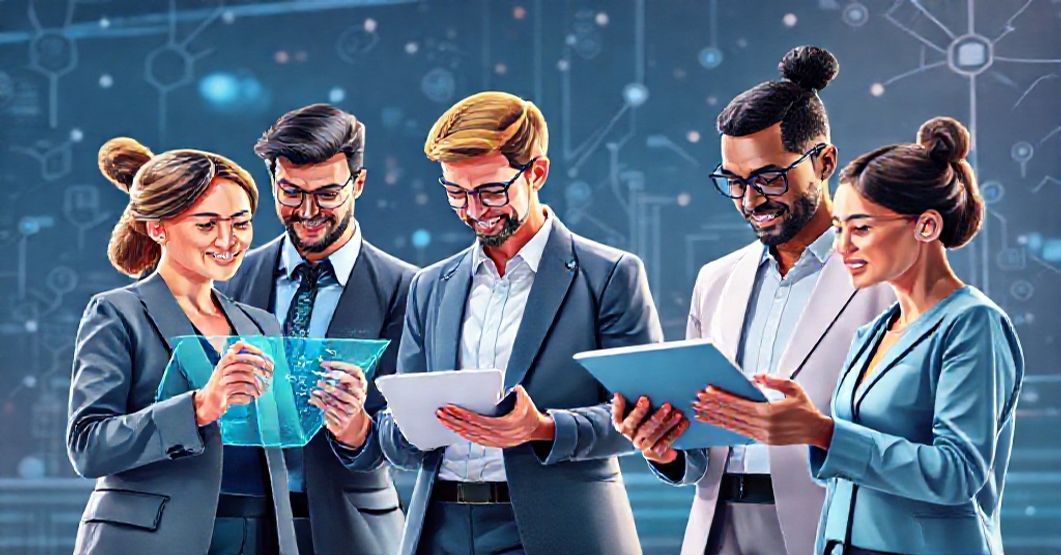
Many view AI through the lens of automation, fearing job displacement. While automation is certainly a facet, the article underscores a more nuanced reality: AI isn’t solely about replacing human tasks, but augmenting human capabilities and creating entirely new roles. By 2026, we’re expected to see a significant evolution where human-AI collaboration becomes the norm, driving efficiency, innovation, and unprecedented productivity.
This transformation isn’t uniform across all sectors. The report highlights areas such as healthcare, finance, education, manufacturing, retail, and customer service as particularly ripe for AI integration. In these fields, AI will take over repetitive, data-intensive, or predictive tasks, freeing up human professionals to focus on strategic thinking, creativity, and empathy.
The Rise of Human-Centric Skills
The key to thriving in an AI-powered world, as emphasized in the India Today article, lies in developing and honing distinctly human skills. As AI becomes more sophisticated in logical and analytical tasks, skills like:
- Creativity and Innovation: Generating new ideas and solutions.
- Critical Thinking and Complex Problem-Solving: Analyzing situations and devising strategic approaches beyond algorithmic patterns.
- Emotional Intelligence: Understanding and managing emotions, crucial for leadership and client relations.
- Adaptability and Lifelong Learning: The willingness to continuously acquire new skills and adjust to changing technological landscapes.
These are the competencies that AI struggles to replicate, making them invaluable assets in the evolving workforce.
New Roles and Reskilling Imperatives
The AI revolution isn’t just about adapting existing jobs; it’s about forging entirely new career paths. The article points to emerging roles such as AI Ethics Officers, Prompt Engineers (specialists in communicating effectively with AI models), AI Trainers, and an increased demand for Data Scientists and Machine Learning Engineers. This necessitates a proactive approach to reskilling and upskilling for individuals and a commitment to workforce development for organizations.
Investing in continuous learning, whether through formal education, online courses, or vocational training, will be paramount. The future belongs to those who view technology as a partner rather than a competitor, and who are willing to embrace new tools and methodologies.
Key Takeaways for Your Career Future
- Embrace Lifelong Learning: The pace of change demands continuous skill development.
- Cultivate Human Skills: Focus on creativity, critical thinking, emotional intelligence, and adaptability.
- Learn to Collaborate with AI: Understand and leverage AI tools to enhance your productivity and problem-solving abilities.
- Stay Informed: Keep abreast of AI trends and their specific impact on your industry.
- Be Proactive: Don’t wait for changes to happen; actively seek opportunities to reskill and reposition yourself.
Conclusion: A Future of Opportunity, Not Fear
The insights from Best Colleges India Today paint a clear picture: 2026 will mark a significant milestone in how AI integrates into our professional lives. Far from a doomsday scenario, this transformation presents immense opportunities for growth, innovation, and more fulfilling work. By understanding the shifts, embracing new skills, and adapting with foresight, professionals can not only navigate the AI revolution but also lead it, shaping a more dynamic and collaborative future for all.
